
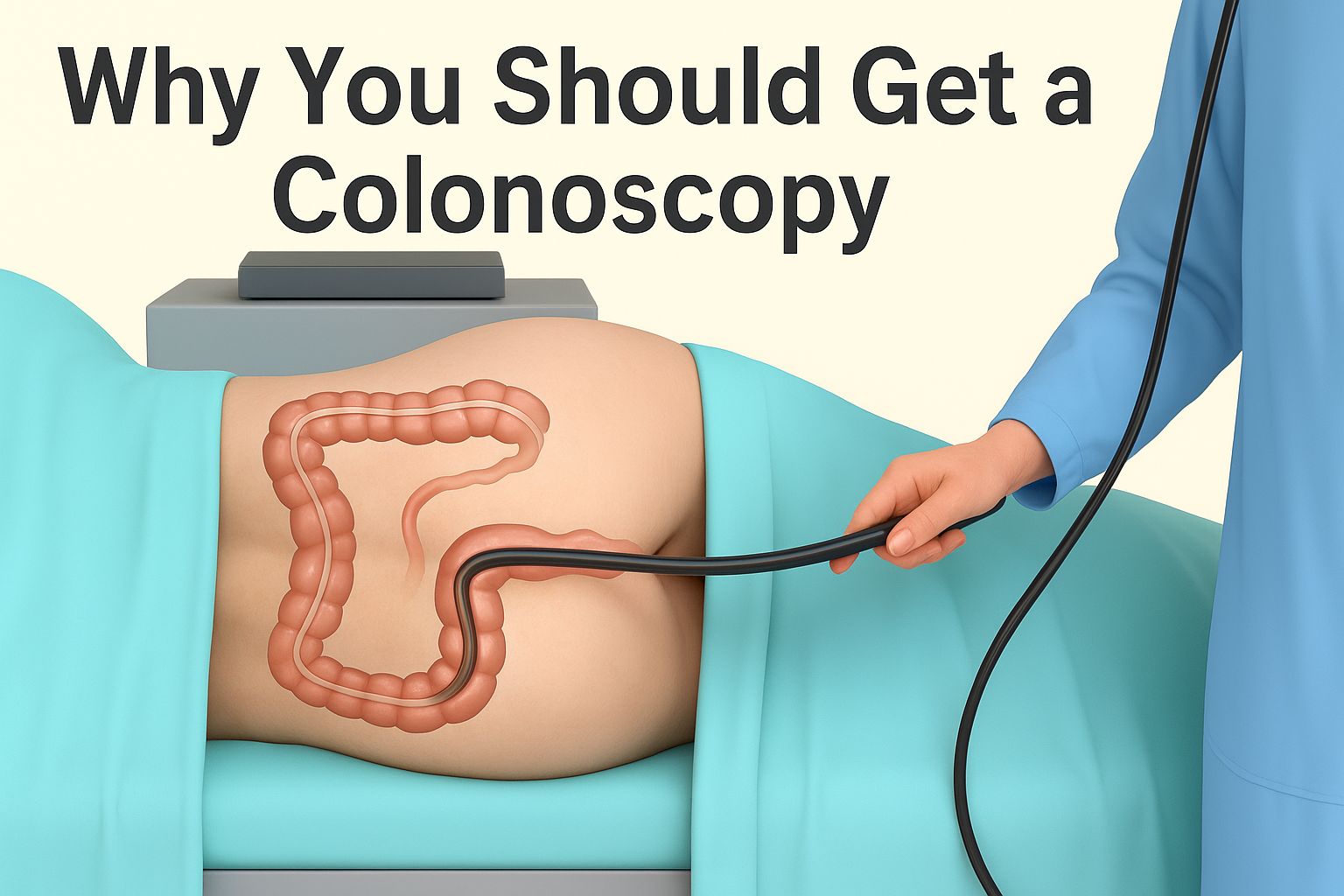
Colonoscopies are one of the most powerful tools in modern medicine for preventing and detecting colorectal diseases, yet many people avoid this potentially life-saving procedure due to misconceptions or fear. In this in-depth guide, we'll explore everything you need to know about colonoscopies – from what they can detect to why they're so crucial for your long-term health.
What Diseases Can Be Detected by a Colonoscopy?
A colonoscopy is far more than just a cancer screening. This comprehensive procedure allows gastroenterologists to:
- Detect colorectal cancer at its earliest, most treatable stages (often before symptoms appear)
- Identify and remove precancerous polyps before they can develop into cancer
- Diagnose inflammatory bowel diseases like Crohn's disease and ulcerative colitis
- Locate sources of bleeding such as ulcers, hemorrhoids, or vascular abnormalities
- Evaluate diverticulosis (small pouches in the colon wall) and diagnose complications like diverticulitis
- Assess unexplained changes in bowel habits that could indicate serious conditions
Why Would a Doctor Order a Colonoscopy?
Diagnostic Reasons:
- Persistent changes in bowel habits (lasting more than a few days)
- Blood in stool (bright red or dark/tarry stools)
- Unexplained abdominal pain that doesn't resolve
- Feeling that your bowel doesn't empty completely
- Weakness or fatigue that may indicate anemia from slow bleeding
- Unintentional weight loss without trying
Preventive/Screening Reasons:
- Routine cancer screening starting at age 45 for average-risk individuals
- Family history of colorectal cancer or polyps
- Personal history of polyps or inflammatory bowel disease
- Abnormal stool test results
The Risks of Avoiding a Colonoscopy
Delaying or skipping this critical screening can have serious consequences:
- Missed early cancer detection: Colorectal cancer is highly treatable when caught early but becomes much more dangerous in advanced stages.
- Undetected polyp growth: Many colon cancers begin as benign polyps that could have been removed during a routine colonoscopy.
- More extensive treatments later: Early-stage cancers might require only minor surgery, while advanced cases may need chemotherapy, radiation, or major operations.
- Higher healthcare costs: Preventive care is significantly less expensive than treating late-stage cancer.
Alarming Statistic: About 60% of colorectal cancer deaths could be prevented with proper screening.
Addressing the Big Question: Is a Colonoscopy Painful?
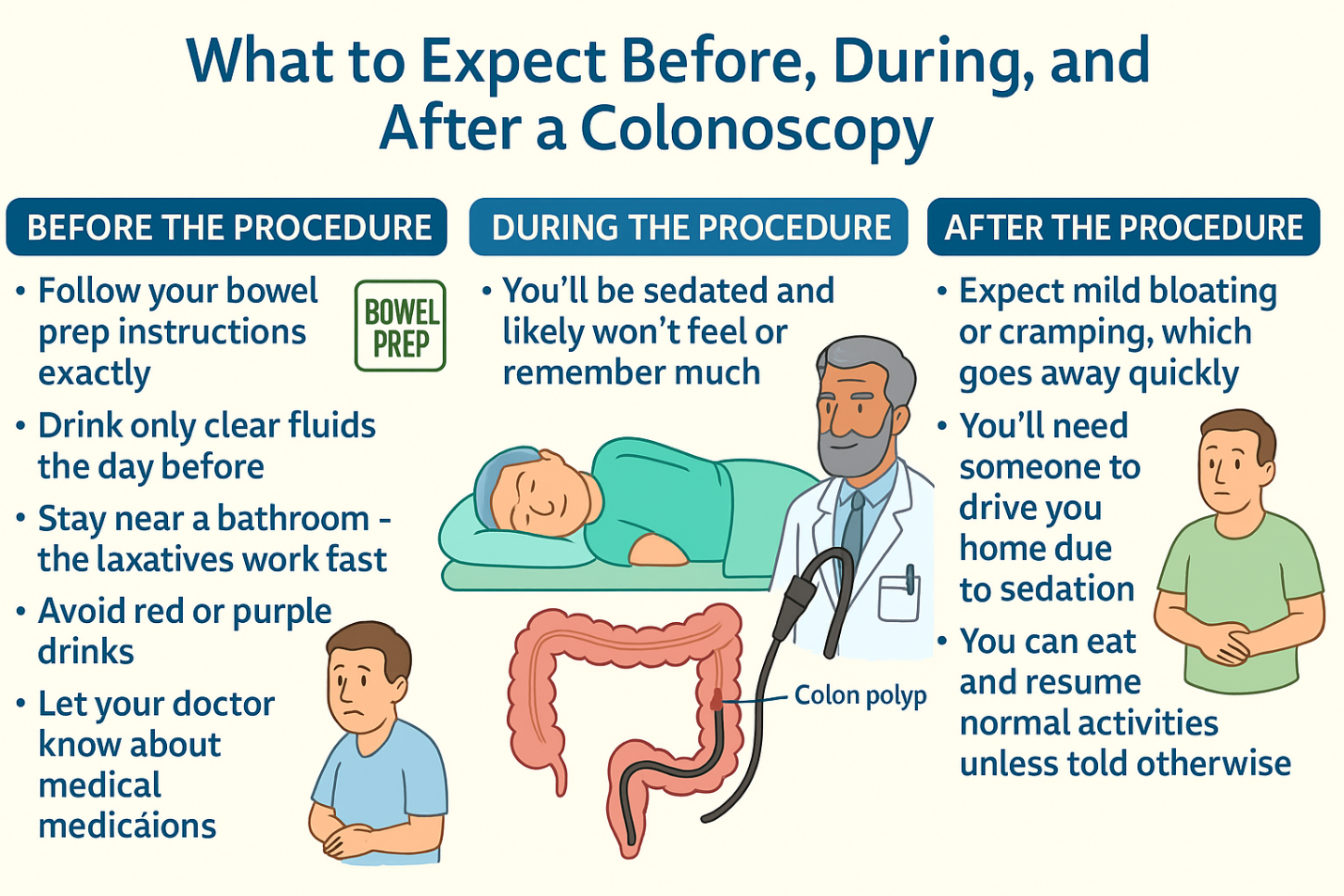
The fear of discomfort prevents many from getting screened, but modern colonoscopies are much more comfortable than people realize:
During the Procedure:
- Conscious sedation ensures you're comfortable and likely won't remember the exam
- The scope is flexible and designed to minimize discomfort
- Most patients report feeling only mild pressure
After the Procedure:
- You may experience some temporary bloating as air is introduced during the exam
- Mild cramping typically resolves quickly
- You'll need someone to drive you home due to the sedation
The Prep Process:
While not painful, the bowel preparation is often considered the most challenging part:
- Newer prep solutions are more palatable than older versions
- Staying near a bathroom is necessary during the cleansing process
- Proper prep is crucial for an effective examination
Take Control of Your Health
A colonoscopy is one of the few medical procedures that can actually prevent cancer rather than just detect it. The temporary discomfort of preparation pales in comparison to the potential benefits of early detection and prevention.
If you're 45 or older, or have risk factors at any age, talk to your doctor about scheduling this potentially life-saving exam. Your future health deserves this investment. When you're ready to discuss or schedule a screening, our specialists are available to provide guidance tailored to your unique needs and concerns.
Remember, the best time to think about colon health is when you're still feeling well. We're here to help you stay that way.
Recent Posts
- How to prepare For an Endoscopy
- Finding Stillness in Simplicity: My WOW Retreat Experience
- GASTRIC BALLOON - Types, Effectiveness, and Choosing the Rig…
- A Successful Free Medical Camp at Hare Krishna Temple - Ngara!
- 5 Warning Signs of an Unhealthy Liver
- Halcyon Hospital Joins Autism Awareness Day
- How to Get Rid of Acid Reflux Fast at Night
- Why Is There Blood in My Stool? Causes, Concerns & When to S…
Why Choose Us
Dedicated Specialist Team
Multidisciplinary care from surgeons, nutritionists, and psychologists.
Private Specialized Wing
Exclusive, private recovery suites for bariatric patients.
Lifelong Support
Continuous monitoring to ensure sustainable results and health.
Safe & Proven Methods
Utilizing the latest bariatric surgical and non-surgical technologies.
Book Your Free Consultation
Pick a date and time that works for you. Our specialist will confirm and guide you on the right path to a healthier life.
Still have questions? We're here.
-
Call / WhatsApp +254 789 822 222
-
Email Us info@nairobiweightloss.com
-
WhatsApp Chat with us now
-
Working Hours Mon – Sat: 8:00 AM – 6:00 PM
Why book with us?