
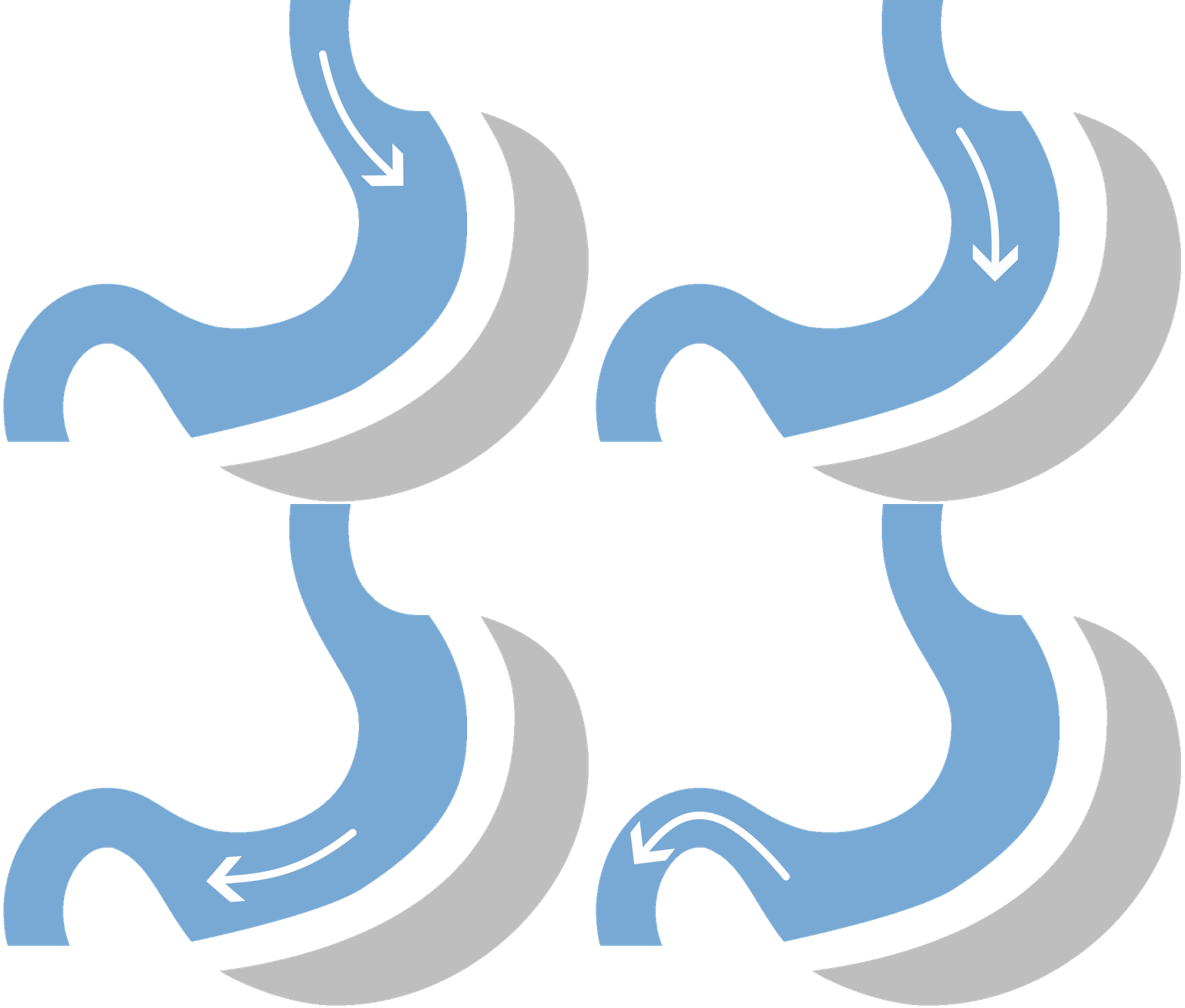
GASTRIC SLEEVE IN KENYA - VSG
Lose 60-70% of excess weight with Gastric Surgery
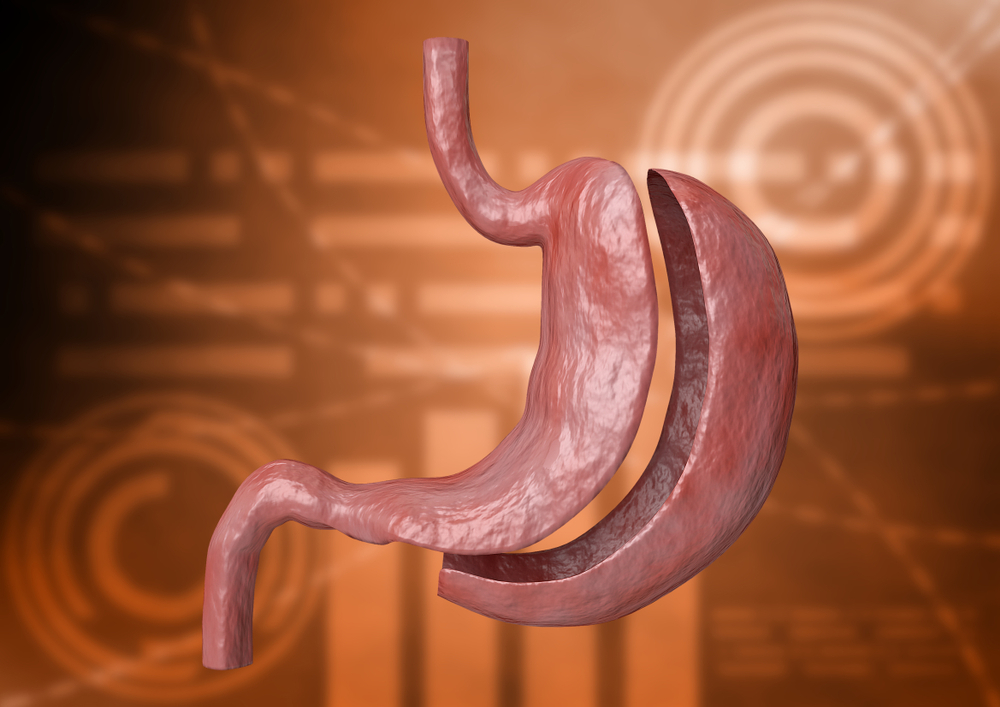
Gastric sleeve surgery in Kenya, or sleeve gastrectomy, is a preferred and minimally invasive method for weight loss. It entails removing a substantial portion of the stomach, creating a smaller, banana-shaped stomach.
This reduces stomach capacity, limiting food intake and resulting in significant weight loss—especially effective for those with moderate to severe obesity. Besides weight reduction, the procedure positively impacts overall health by managing or resolving obesity-related conditions.
Performed laparoscopically, the surgery involves small incisions, a camera-equipped laparoscope, and typically lasts 1-2 hours with a brief hospital stay.
"Silencing food noise, amplifying joy and confidence."
Full Testimonial JourneyWho is considered as an eligible candidate for Gastric Sleeve Surgery
- Body Mass Index (BMI) of 35 or higher, indicating obesity (class II or higher).
- Individuals with a BMI of 30 or higher may qualify if accompanied by obesity-related health conditions such as diabetes, high blood pressure, sleep apnea, heart disease, or cholesterol issues.
- Previous unsuccessful attempts at weight loss through diet, exercise, and non-surgical methods contribute to candidacy, emphasizing the procedure's role in cases where conventional approaches prove ineffective.
- Further, past medical and surgical history can influence eligibility, underscoring the importance of a pre-surgery consultation to determine individual suitability for Laparoscopic Gastric Sleeve Surgery in Kenya.
Benefits
- Significant and sustained weight loss (60-70% of excess weight)
- Resolution or improvement of obesity-related health conditions (Diabetes, Hypertension)
- Reduced hunger and improved satiety through hormonal changes
- Laparoscopic/Minimally invasive approach with less pain and faster recovery
- No rerouting of the digestive system (natural flow maintained)
- Enhanced mobility and quality of life
Disadvantages
- Irreversible: A large portion of the stomach is permanently removed from the body.
- Requires strict adherence to lifelong dietary and lifestyle modification.
- Potential for vitamin and mineral deficiencies if patients do not follow nutritional guidance.
- Weight regain is possible if healthy habits are not successfully maintained over the years.
Potential Side Effects & Complications
While the procedure is highly safe, like any surgery, it carries potential risks and side effects (incidence is extremely low at < 1%):
- Temporary nausea/vomiting: Common in the first few days post-surgery as the stomach adjusts.
- Acid Reflux (GERD): May develop or worsen in some patients.
- Nutritional deficiencies: Potential for Vitamin B12, iron, and calcium issues if instructions are ignored.
- Gastric-acid Leakage: Extremely rare in modern laparoscopic approaches.
- Minor risks of bleeding or infection at incision sites and blood clots.
GASTRIC SLEEVE PROGRAM INCLUDES:
Surgeon & Anaesthesia Fees
Private Room Hospital Stay (2 Nights)
Specialists Consults ~ 50 Visits
Full Body Lab & Imaging ~ 50 Tests
Pre & Post Procedure Medication
Colon Hydrotherapy
Psychologist & Support Groups
FREE Life Long Support
How does it Work?
The Science of Sleeve
During laparoscopic gastric sleeve surgery in Kenya, a surgeon makes small abdominal incisions and employs a laparoscope—a slender tube housing a camera and thin instruments.
- 1-2 hours under general anesthesia
- 2 days hospital stay
- Up to 60% excess body weight loss
- Results within 2 weeks
Gastric Sleeve Works By:
- The physical/restrictive aspect entails suturing the stomach along its length, creating a tube-shaped structure that restricts food volume, induces a feeling of fullness, and reduces caloric intake.
- Simultaneously, about two-thirds of the stomach is removed, curbing the production of ghrelin—a hunger-inducing hormone—resulting in decreased appetite and earlier satiety.
How to get started
Step 1: Pre Procedure (Specialist Consults & Evaluations)
Preparation is key to ensure your safety and suitability for VSG. During your consultation, we will establish your weight loss goals and medical history to ensure you are a safe candidate for the surgery.
Evaluations : You will meet with several specialists including our surgeon and cardiologist, as well as undergo several tests including:
- Full Body Labs (~ 50 tests) to check your current status e.g kidney, liver, sugars, clotting profile. etc.
- Upper Endoscopy (OGD) to visually look into your digestive tract and ensure there are no issues, H.Pylori, ulcers, etc.
- Tests to check your heart and lungs.
You will also meet with our support teams, including a psychologist and nutritionist. The goal of these evaluations is to ensure that you are physically and emotionally ready to undergo the surgery and commit to the necessary lifestyle changes.
Step 2: The Procedure & Admission
Patients who have undergone laparoscopic procedures may return to work within 1 week after surgery. However, it is not advisable to engage in intense physical work.
- Admission: 2-3 days’ hospital stay after the surgery to ensure proper healing, rehabilitation, and monitoring of progress.
- Monitoring: Intensive monitoring of vitals and immediate post-op indicators.
Step 3: Post-Procedure Recovery & Life-long Follow-up
Diet & Supplements
Diet: Progressive transition from liquids in the first few days to softer foods, until back to normal solid food in the weeks ahead, done under nutritional guidance. Shortly after surgery, you'll begin reintroducing foods into your diet in phases in consult with your nutritionist who will teach you how and what to eat with your reduced stomach size.
Supplements: Initial weight-loss may occur quickly, so it's important to get all of the nutrition and vitamins you need as you recover. Your doctor may advise on supplements like Vitamin B12 and iron.
Precautions –Tell your doctor right away if you have any of the below:
- Fever
- Wound becomes painful/hot/leaks
- Coughing/Trouble breathing
- Vomiting and diarrhea
- Pain in abdomen/chest/legs
GASTRIC SLEEVE VS GASTRIC BYPASS
Gastric sleeve surgery in Kenya, or sleeve gastrectomy, is a preferred and minimally invasive method for weight loss. It entails removing a substantial portion of the stomach, creating a smaller, banana-shaped stomach. This reduces stomach capacity, limiting food intake and resulting in significant weight loss. Importantly, unlike gastric bypass, it maintains the natural food passage route, minimizing nutrient absorption impact and malnutrition risk.
Gastric bypass, a widely embraced and effective weight loss method, involves creating a smaller stomach pouch and rerouting the small intestine. It achieves substantial weight loss by constraining stomach capacity and altering the digestive pathway. Gastric bypass addresses obesity-related health conditions holistically but demands disciplined commitment to prevent complications. Success depends on strict adherence to a structured post-surgery dietary regimen, emphasizing nutrient-dense, portion-controlled meals.
In essence, the choice between gastric sleeve and gastric bypass depends on individual health conditions and the commitment to post-surgery lifestyle changes. While both procedures offer effective weight loss, the gastric sleeve maintains the natural digestive route, providing simplicity and sustainability.
Start your Safe & Sustainable Weight loss journey here


Explore More Options

Why Choose Us
Dedicated Specialist Team
Multidisciplinary care from surgeons, nutritionists, and psychologists.
Private Specialized Wing
Exclusive, private recovery suites for bariatric patients.
Lifelong Support
Continuous monitoring to ensure sustainable results and health.
Safe & Proven Methods
Utilizing the latest bariatric surgical and non-surgical technologies.
Book Your Free Consultation
Pick a date and time that works for you. Our specialist will confirm and guide you on the right path to a healthier life.
Still have questions? We're here.
-
Call / WhatsApp +254 789 822 222
-
Email Us info@nairobiweightloss.com
-
WhatsApp Chat with us now
-
Working Hours Mon – Sat: 8:00 AM – 6:00 PM
Why book with us?